
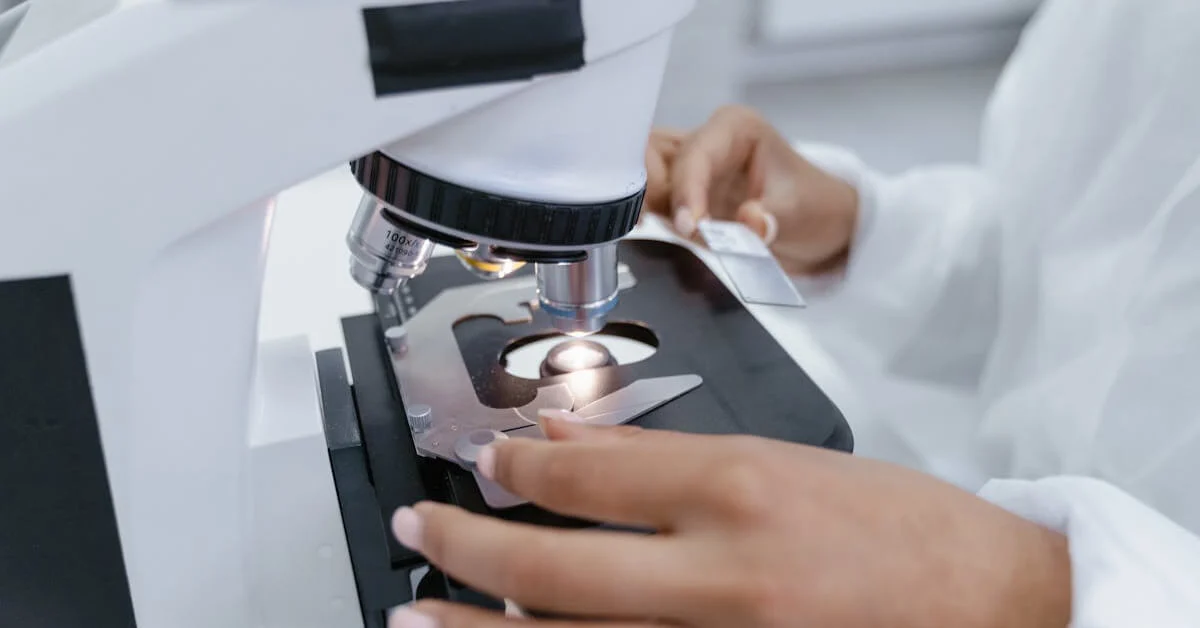
To get a DNA test, you first need to decide what type of test you require—whether for paternity, ancestry, health reasons, or for legal matters related to family law.
You can order an at-home DNA test where you collect a sample yourself using a cheek swab or saliva kit, or you can opt for a legal DNA test, which must be performed at an accredited clinic.
Once the sample is collected, it is sent to a laboratory for analysis, and the results are typically available within a few days to a few weeks, depending on the test type.
Types of DNA Tests Available
There are several types of DNA tests, each designed for different purposes. Understanding the options can help you choose the right test for your needs.
1. Paternity and Relationship Testing
Paternity tests determine whether a man is the biological father of a child. Other relationship tests, such as sibling or grandparent tests, can establish biological connections between family members.
- At-home paternity tests – These can be purchased online or from pharmacies. They are for personal use and not legally admissible in court.
- Legal paternity tests – These require an accredited laboratory to collect the sample and verify the chain of custody. They are used in legal matters such as child support or immigration cases.
2. Ancestry and Ethnicity DNA Tests
Ancestry tests help trace your genetic heritage and family history. These tests can provide insights into your ethnic background and connect you with potential relatives.
3. Health and Genetic Condition Testing
Some DNA tests screen for inherited conditions, potential health risks, and genetic traits. These tests can provide information on how your DNA may influence your health and well-being.
Key Takeaway: DNA tests are available for paternity, ancestry, and health purposes. Choosing the right test depends on what you want to discover.
How to Get an At-Home DNA Test
If you prefer the convenience of testing at home, you can order a DNA test kit online or from a pharmacy. Here’s how the process works:
Step 1: Order a Kit
Purchase a DNA test kit from a reputable provider. The kit will include everything you need to collect your sample, such as swabs or a saliva tube.
Step 2: Collect Your Sample
Most at-home DNA tests require you to rub a swab inside your cheek to collect cells. Some tests may use saliva collection. Follow the instructions carefully to avoid contamination.
Step 3: Send the Sample to the Lab
Once you have collected your sample, use the provided packaging to send it to the laboratory. Some providers include prepaid postage, while others may require you to arrange shipping.
Step 4: Receive Your Results
Results are typically available within a few days to a few weeks, depending on the provider and type of test. Some companies offer online portals where you can securely access your results.
Key Takeaway: At-home DNA tests are easy to use and involve ordering a kit, collecting a sample, and mailing it to a lab for analysis.
Need a Lawyer?
How to Get a Legal DNA Test
If you need a DNA test for legal purposes—such as child custody, inheritance claims, or immigration—you must follow a more structured process.
Step 1: Book an Appointment at an Accredited Lab
Unlike at-home tests, legal DNA tests require professional sample collection. You must book an appointment with a laboratory accredited by the National Association of Testing Authorities (NATA) in Australia.
Step 2: Provide Identification
To ensure the test results are legally valid, you will need to provide government-issued identification. In cases involving minors, both parents may need to consent.
Step 3: Sample Collection by a Professional
A trained professional will collect your sample using a cheek swab. They will follow strict chain-of-custody procedures to prevent tampering.
Step 4: Laboratory Analysis and Official Report
The sample is sent to the lab, where DNA analysis is performed. A legally recognised report is issued, which can be used in court or for official applications.
Key Takeaway: Legal DNA tests require professional sample collection and identification to ensure results are valid for legal proceedings.
Understanding the Legal Framework for DNA Testing in Family Law
In Brisbane, DNA testing plays a significant role in resolving disputes related to parentage within the realm of family law.
Whether you’re seeking to establish paternity for child support purposes or to clarify parental responsibilities, understanding the legal framework is essential.
Under the Family Law Act 1975, the court has the authority to order DNA testing when parentage is in question. This process ensures that decisions regarding child support, custody, and visitation rights are based on accurate information.
Engaging with experienced family lawyers can help you navigate this process effectively, ensuring that your rights and responsibilities are clearly defined.
The Role of Mediation in Resolving Parentage Disputes
Before resorting to court-ordered DNA testing, it’s often beneficial to explore alternative dispute resolution methods, such as mediation.
Family law mediators in Brisbane offer a neutral environment where parties can discuss their concerns and work towards mutually agreeable solutions.
Brisbane mediation services can be particularly helpful in cases where communication has broken down, but both parties are willing to collaborate for the child’s best interests.
Mediators facilitate discussions that can lead to agreements on parenting arrangements, financial support, and other related matters, potentially avoiding the need for court intervention.
Why DNA Testing Is Sometimes Needed in Family Law Cases
If you’re navigating a family dispute or parenting matter, you might be wondering when and why a DNA test becomes relevant.
In the context of family law Brisbane clients often deal with, DNA testing is commonly used to determine parentage—particularly when there are questions about a child’s biological father.
This might arise during child support matters, disputes about parental responsibility, or even inheritance claims.
While some people undergo testing voluntarily for peace of mind, others might only do so because of a legal requirement. If you’re unsure whether DNA testing applies to your situation, getting advice from a family lawyer can help you understand your rights and obligations.
Legal DNA Testing vs. At-Home Kits
Not all DNA tests are created equal. If you’re dealing with a family law issue in Brisbane, only court-approved DNA tests—also known as ‘legal DNA tests’—are considered valid evidence.
These tests are carried out under strict conditions to ensure accuracy and prevent tampering. Typically, an independent third party collects the samples, checks identification, and ensures the correct procedures are followed.
At-home kits may seem like a convenient option, but they aren’t accepted by the courts because there’s no way to verify who actually provided the samples.
If your matter is likely to end up in court or is already part of legal proceedings, you’ll need to make sure the DNA testing is admissible under the Family Law Act.
What Happens After the Results?
Once the DNA test is completed, the results are usually sent to both parties and, if applicable, to the court. If the test confirms parentage, it can lead to a range of legal outcomes.
For example, the confirmed parent may be added to the birth certificate, required to pay child support, or granted contact with the child.
On the other hand, if the test excludes someone as the biological parent, the legal implications can be just as significant.
In both scenarios, the outcome can influence parenting arrangements, financial responsibilities, and your overall legal position.
This is why working with a professional experienced in family law Brisbane matters is so important—they can help you understand how the results might affect your case and what steps to take next.
Can Someone Refuse a DNA Test?
In Australia, no one can be physically forced to take a DNA test, but refusal can have consequences.
If a court has ordered the test and one party refuses, the court may draw an “adverse inference,” meaning they could assume that the person is likely trying to hide the truth.
This can impact how parenting orders or child support decisions are made.
If you’re involved in a case where the other party refuses testing, it’s important to document this and seek legal advice.
Family law Brisbane professionals can help you apply for appropriate court orders and ensure that the court has all the information it needs to make a fair ruling.
Emotional and Practical Considerations
While DNA testing can resolve legal questions, it’s also a deeply emotional process for everyone involved.
You might be feeling anxious, uncertain, or conflicted about the outcome—especially if children are part of the equation.
Regardless of the result, it’s helpful to prepare yourself for the emotional impact and think about what kind of support you might need.
If children are involved, it’s also important to consider how the process might affect them. Depending on their age and understanding, they may have questions about why the test is happening or what it means for their family.
In some cases, involving a counsellor or psychologist can help your child process these changes in a healthy and age-appropriate way.
Moving Forward with Confidence
Whether you’re seeking clarity, involved in a legal dispute, or simply exploring your options, DNA testing can offer definitive answers.
But knowing what to do with those answers is just as important. That’s where professional guidance comes in.
If you’re based in Queensland and dealing with a parentage issue, working with a legal team familiar with family law Brisbane matters can make the process less stressful.
They can help you arrange court-admissible testing, interpret the results, and take action based on what’s best for you and your family.
Seeking Professional Guidance for DNA Testing and Mediation
Navigating the complexities of DNA testing and family law disputes can be challenging without professional assistance. Engaging with family lawyers and mediation services ensures that you receive comprehensive support throughout the process.
Family law professionals in Brisbane can provide advice tailored to your specific circumstances, helping you understand your legal options and the implications of DNA testing results.
They can also represent your interests during mediation sessions or court proceedings, ensuring that your voice is heard and your rights are protected.
By seeking professional guidance, you can approach DNA testing and related family law matters with confidence, knowing that you have the support needed to make informed decisions for yourself and your family.
How Long Does It Take to Get DNA Test Results?
The time it takes to receive DNA test results depends on the provider and test type:
- At-home paternity tests: 3–10 business days
- Legal paternity tests: 7–14 business days
- Ancestry DNA tests: 4–8 weeks
- Health and genetic tests: 2–6 weeks
Some providers offer expedited services for an additional fee.
Key Takeaway: DNA test results typically take a few days to a few weeks, depending on the type of test and provider.
Getting a DNA test is a straightforward process, whether you choose an at-home kit for personal use or a legally accredited test for official purposes.
Understanding the different test options, costs, and processes can help you select the right test for your needs.
